9 min read
Common terms found in typography
Typography has been used as a way of communication for a very very long time. It was invented during the eleventh century in China (990-1051BC) and has been used in some form or another ever since. This has made it an essential part of our lives and the most efficient tool we have to deliver a message to an audience.
Even though the use of typography is so universal in our world we can still sometimes struggle to understand exactly what typography is and also what the words associated with typography mean.
So we thought it would be a good idea to make a list of common terms that typographers and designers use to hopefully go some way in demystifying typography.
01. Aperture
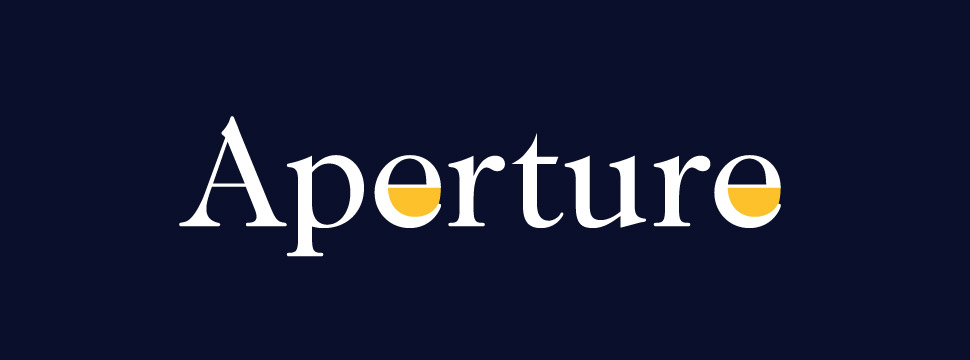
The negative space that is partially enclosed in some characters such as the lower part of a lowercase e or a c.
02. Apex
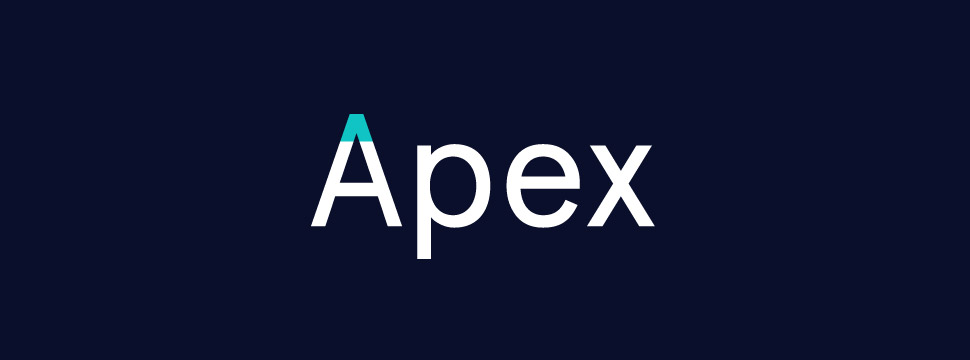
The top point of a character where two strokes meet as seen on an uppercase A.
03. Arc

The curved part of a letter as seen on the lowercase r and c.
04. Ascender
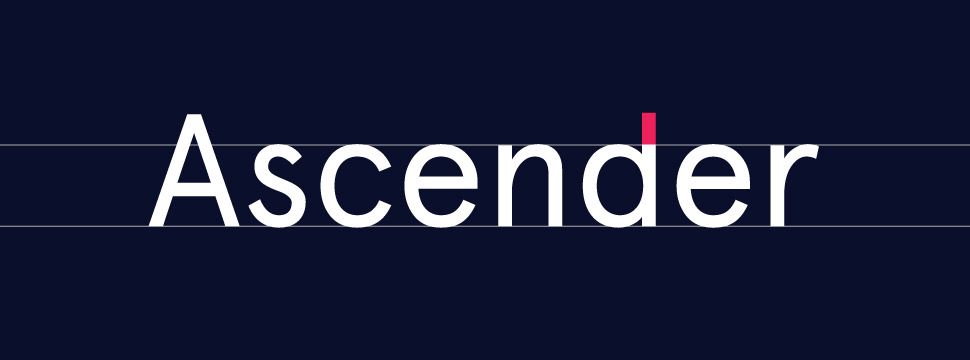
The part of a lowercase letter that rises above the x-height of the other letters.
05. Ball Terminal
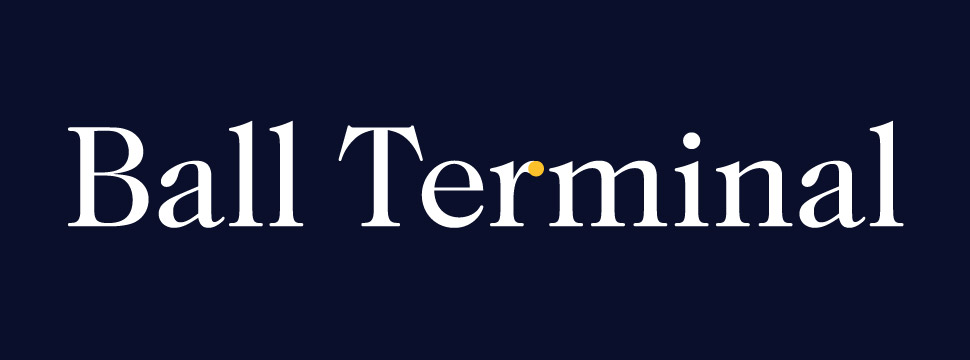
The round ball form found at the end of a letter arm.
06. Baseline
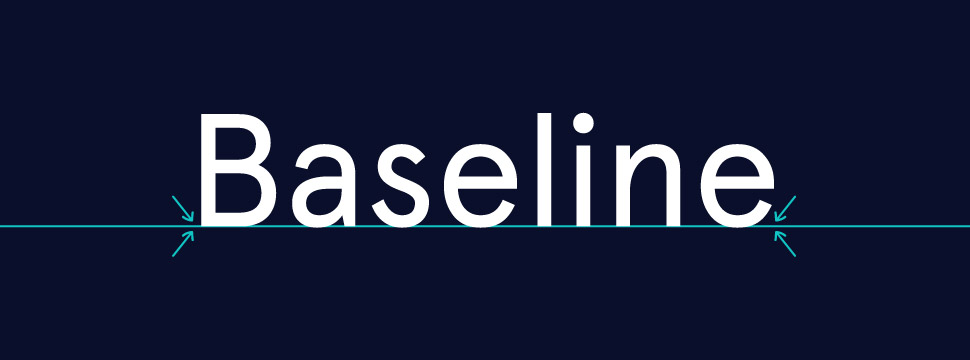
The invisible line what characters sit on.
07. Body
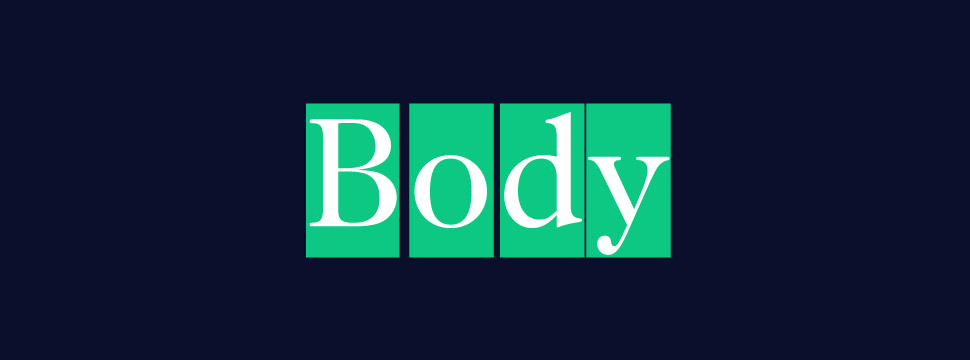
The block area that a character lives in. Originally this would have been the physical block that the metal letters sat on. The height of the body equals the point size.
08. Bowl
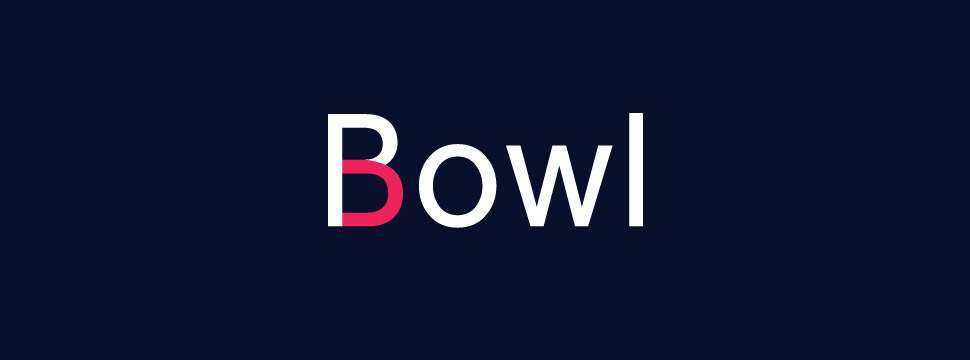
The enclosed curved part of a character as seen here on an uppercase B.
09. Cap Height

The height of an uppercase letter from the baseline to the cap line.
10. Cap Line
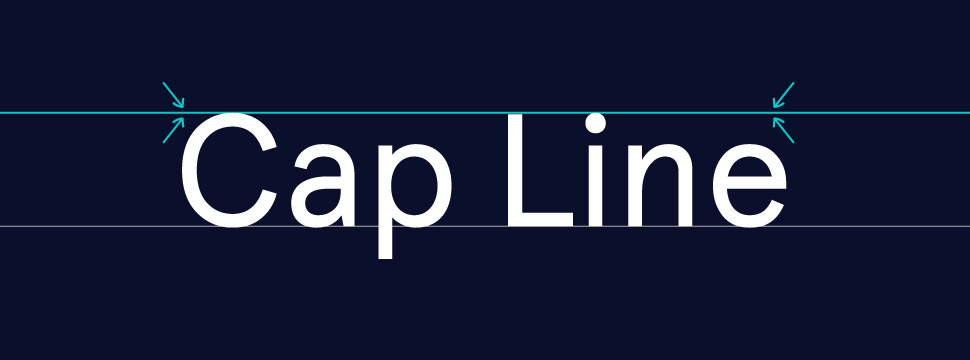
The invisible line that marks the top of an uppercase letter.
11. Counter

The space found inside a fully closed area of a character. Shown here in the o and e.
12. Cross Stroke
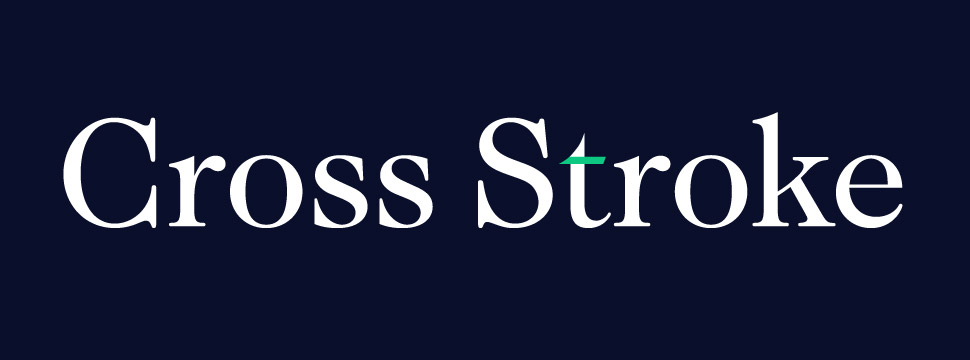
Horizontal stroke found in characters as seen here on the t.
13. Eye

The space found inside the fully closed area of the lowercase e.
14. Foot
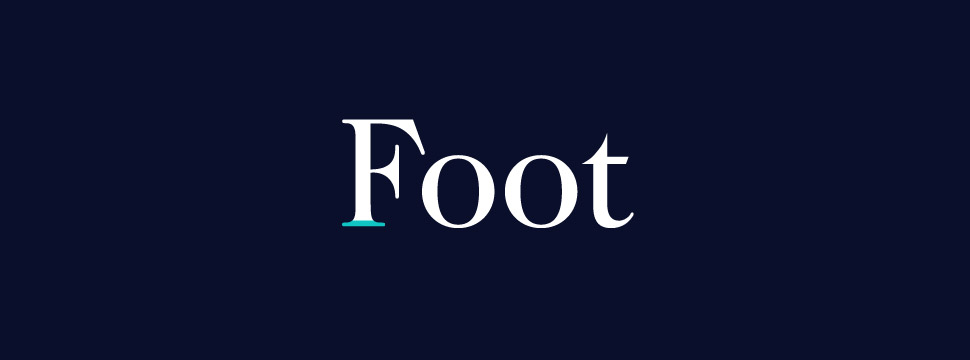
In a serif typeface its the part of the stroke that rests on the baseline
15. Grotesk
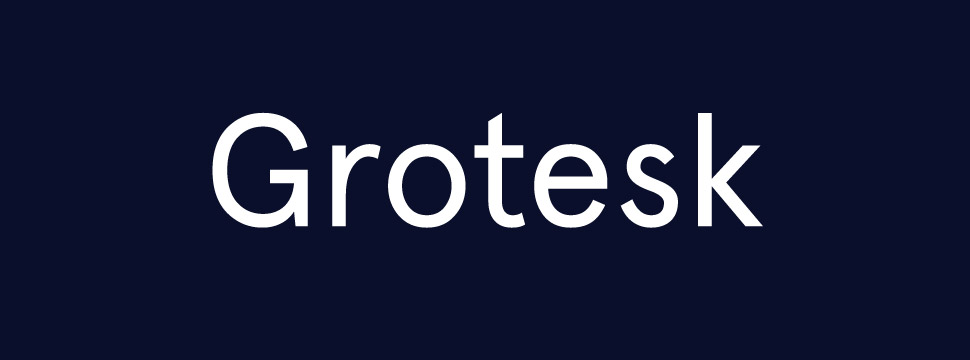
The German name for Sans Serif.
16. Hairline
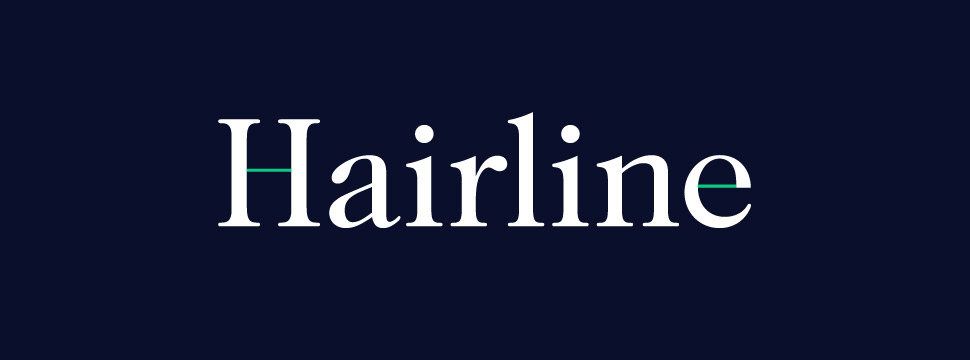
The thinnest stroke found in a typeface.
17. Italic
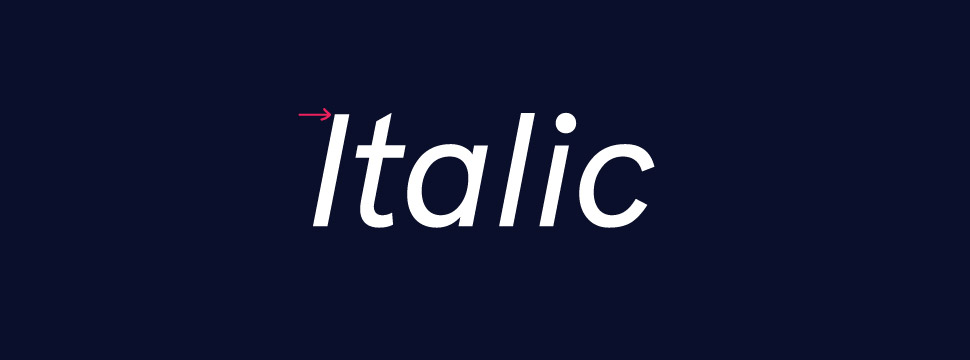
Slanted version of the typeface. Slants from left to right.
18. Kerning
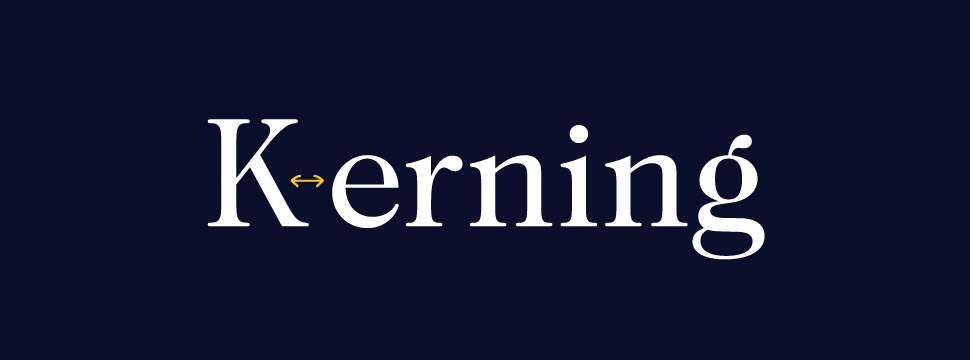
Kerning is the horizontal space between two letters.
19. Kursiv
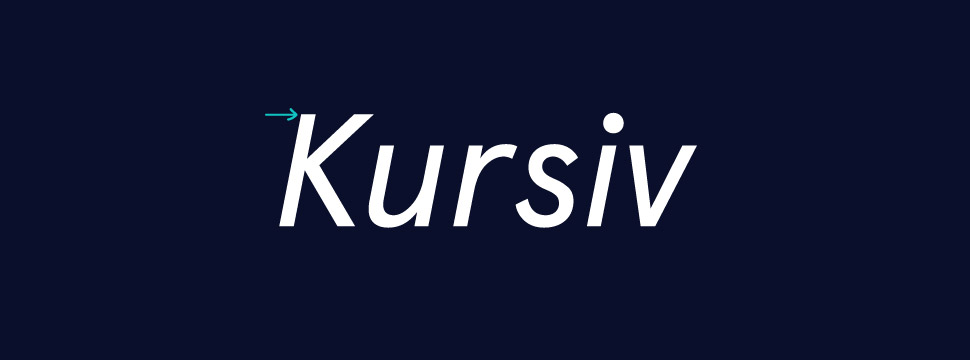
The German name for Kerning.
20. Leading
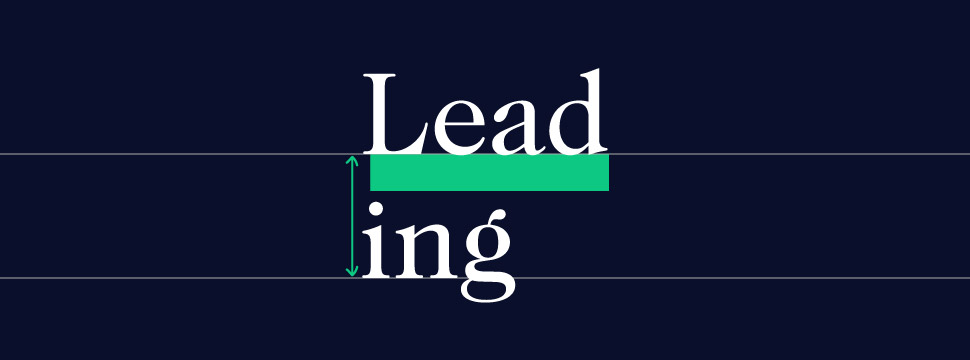
Leading refers to the lead strips that were used to add vertical space between lines metal type.
21. Linespacing
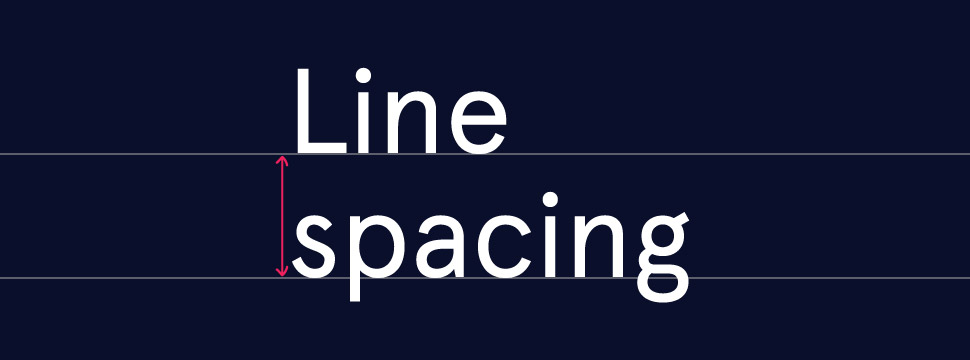
The vertical space between lines of text from baseline to baseline.
22. Lowercase
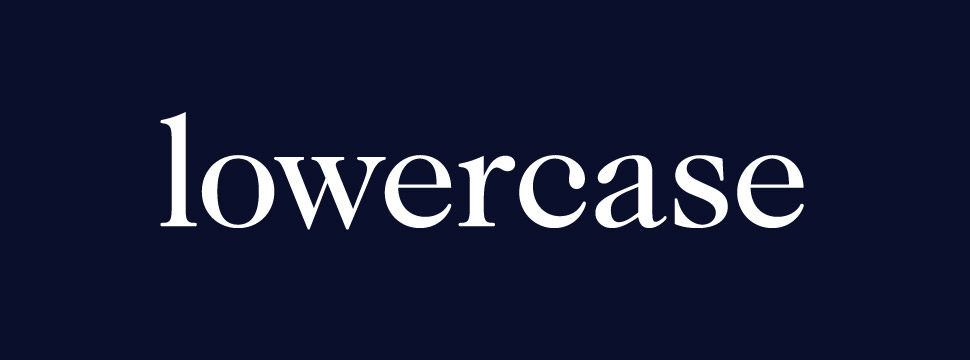
The small letters in the typeface.
23. Monospaced
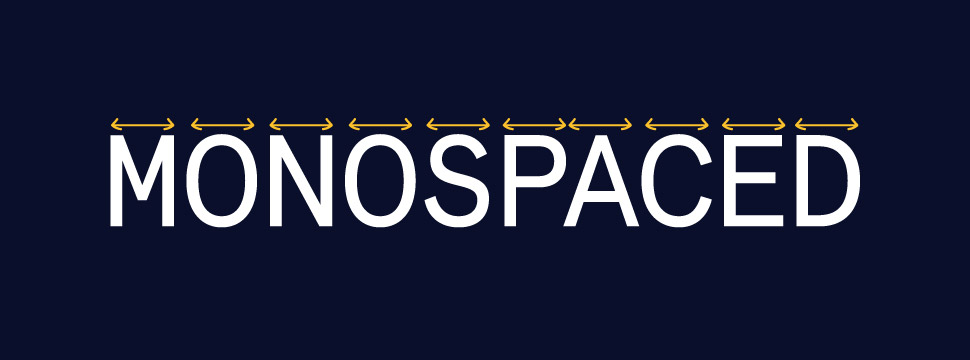
A typeface that has letters of a fixed width.
24. Point Size
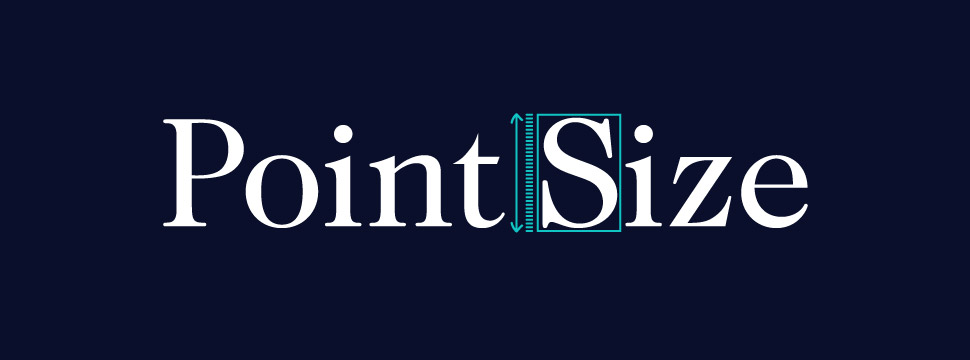
The unit used to measure the size of a typeface.
25. Sans Serif

A term that refers to typefaces without the lines or feet at the ends of the letterforms.
26. Serif
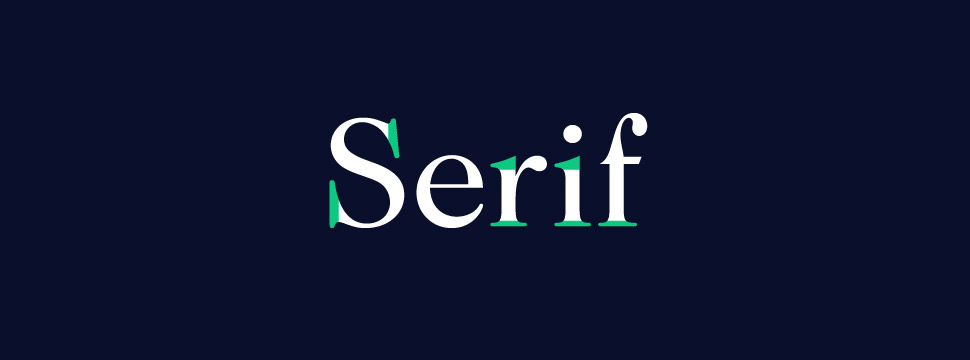
A term that refers to typefaces that have a line or stroke at the ends of the letterforms.
27. Shoulder
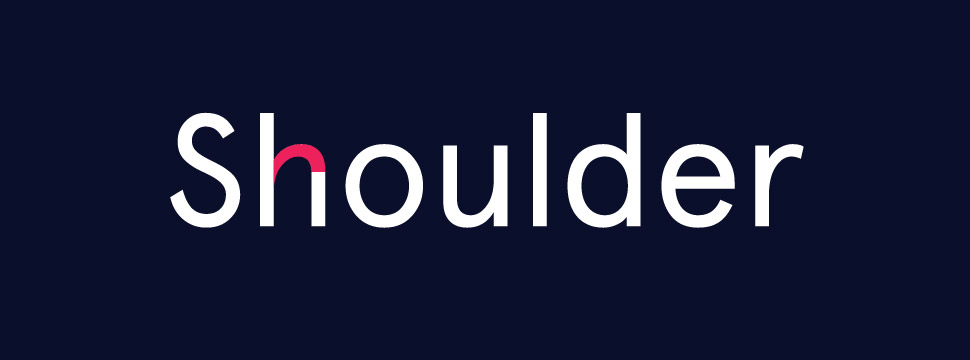
The curved part of a letter found on some lowercase letters.
28. Spine
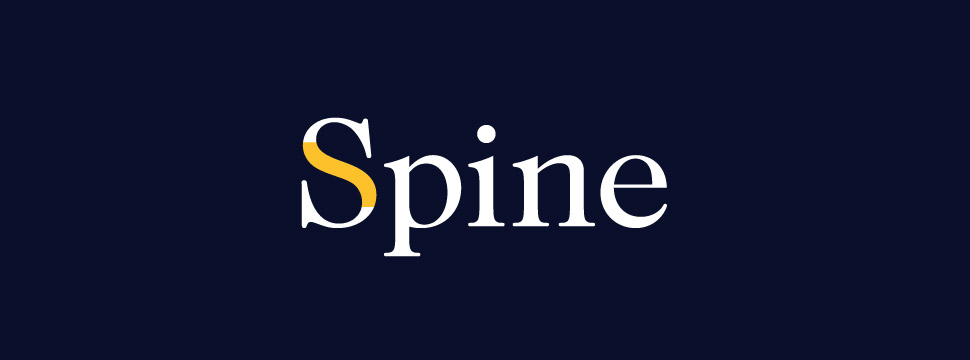
The curved stroke found in the letter S.
29. Stroke
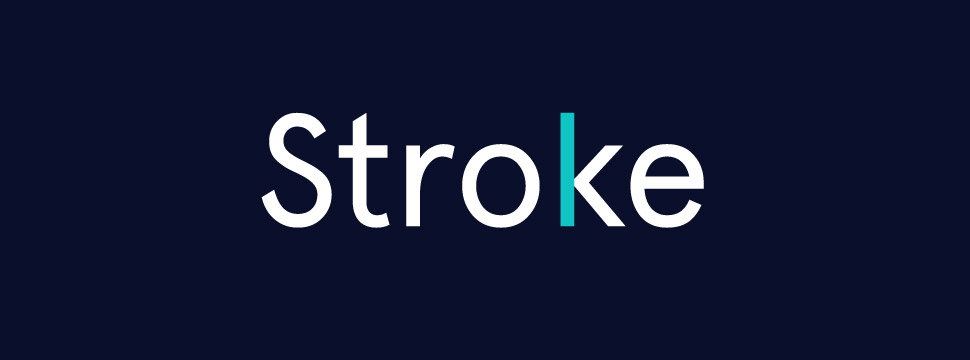
The vertical stroke found in a letter.
30. Teardrop Terminal
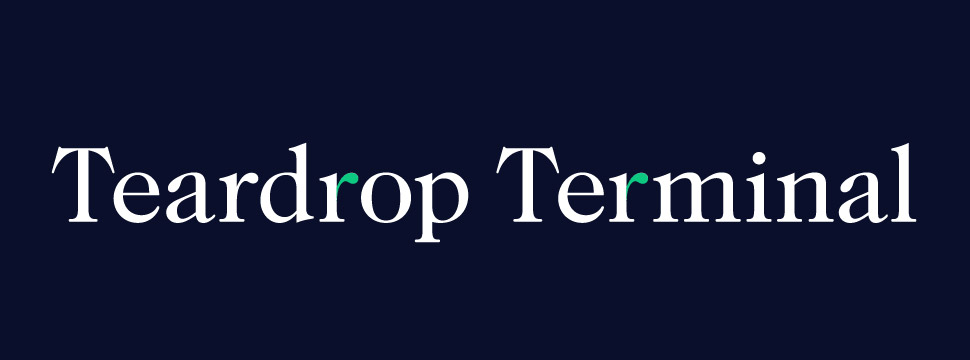
A teardrop shape found at the end of a letterform.
31. Tracking
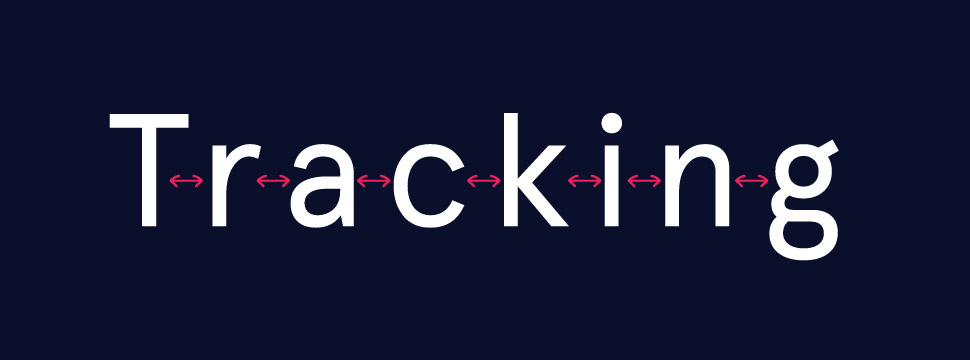
Tracking refers to the uniform amount of space between characters in a word or section of text.
32. Uppercase
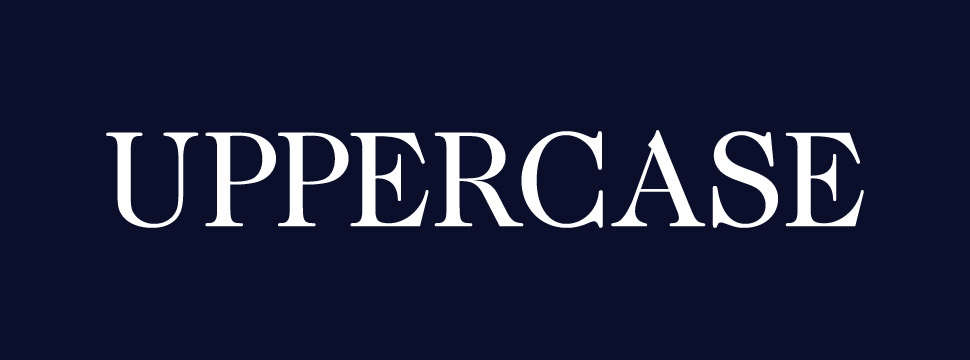
The capital letters of a typeface.
33. Vertex
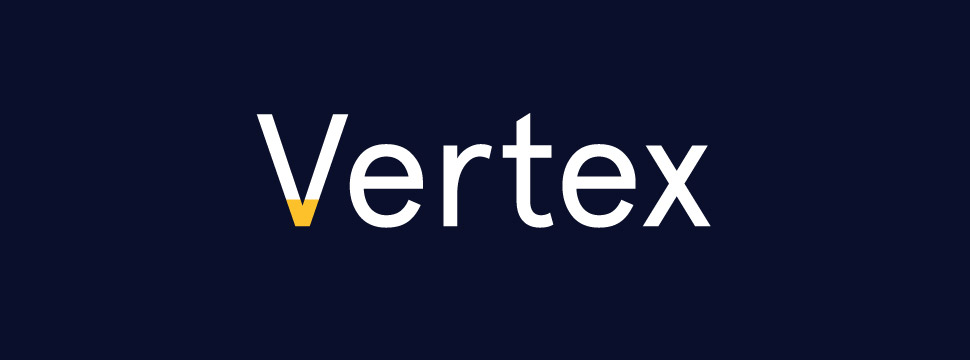
The point at the top or bottom of a letter where two points meet.
34. X-Height

A term to measure the height of a lowercase letter without the ascenders or descenders.
- 01. Aperture
- 02. Apex
- 03. Arc
- 04. Ascender
- 05. Ball Terminal
- 06. Baseline
- 07. Body
- 08. Bowl
- 09. Cap Height
- 10. Cap Line
- 11. Counter
- 12. Cross Stroke
- 13. Eye
- 14. Foot
- 15. Grotesk
- 16. Hairline
- 17. Italic
- 18. Kerning
- 19. Kursiv
- 20. Leading
- 21. Linespacing
- 22. Lowercase
- 23. Monospaced
- 24. Point Size
- 25. Sans Serif
- 26. Serif
- 27. Shoulder
- 28. Spine
- 29. Stroke
- 30. Teardrop Terminal
- 31. Tracking
- 32. Uppercase
- 33. Vertex
- 34. X-Height

Not another newsletter!
Don't worry it's infrequent, spam-free and even cures minor ailments!
"*" indicates required fields